
Why Commercial Pet Waste Removal Isn’t Optional Anymore
If you manage a property, run a business, or handle an HOA, here’s a harsh truth: nothing will tank your curb appeal faster than stepping in a surprise pile of dog waste. One “landmine” on the lawn and you’ve got residents complaining, guests side-eyeing, and your maintenance crew gagging.
But commercial pet waste removal isn’t just about appearances. It’s about health, safety, compliance, and protecting your bottom line. Leaving pet waste to “decompose naturally” is the kind of shortcut that leads to bacteria buildup, pest problems, and community frustration.
Think of it like trash pickup: you wouldn’t let garbage pile up for weeks and hope the rain takes care of it. Same logic applies here.
What Exactly Is Commercial Pet Waste Removal?

Commercial pet waste removal is a professional service where trained technicians (yes, we exist) regularly clean and remove pet waste from shared or high-traffic outdoor areas.
We’re not talking about your neighbor’s teenager with a grocery bag. We’re talking route-optimized, uniformed crews who show up on schedule, clean every designated area, and haul the waste away so it’s gone for good.
Commercial services typically cover:
- Apartment complexes and condos — Dog parks, common lawns, and walking trails.
- HOA and community green spaces — Keeping shared yards clean for all residents.
- Office parks and business campuses — Maintaining a clean, professional exterior.
- Municipal parks and recreation areas — Public spaces with high pet activity.
- Hotels, resorts, and vacation rentals — Especially those advertising “pet-friendly.”
Why It’s More Than Just Picking Up Poop
Here’s the part most people underestimate: commercial pet waste removal is as much about systems as it is about scooping.
A professional service will:
- Follow a set schedule — Whether that’s daily, several times a week, or weekly.
- Cover every square foot of assigned zones — Not just the “obvious” spots.
- Double-check and re-walk — Ensuring nothing gets missed.
- Haul the waste away — No tossing it in your dumpster and letting it stink up the place.
- Document service completion — Many companies (including us) can send time-stamped photos or logs.
For property managers, this means no more chasing residents about cleanup, no more overburdening maintenance staff, and no more “whose job is this?” debates in the office.
The Health and Safety Angle
Dog waste is not fertilizer. It’s a bacteria bomb. Left unchecked, it can carry and spread:
- E. coli
- Roundworms and hookworms
- Parvovirus
- Giardia
In high-traffic areas, these can contaminate soil, grass, and even water runoff. And when a kid plays on that grass? Or your landscapers mow over a week-old pile? Yeah, it’s not just gross, it’s a legitimate health hazard.
Commercial removal keeps your property compliant with local sanitation codes and prevents preventable outbreaks.
Who Actually Uses This Service?
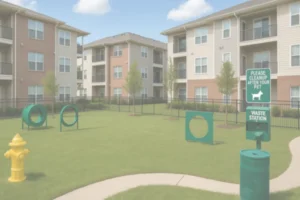
You might be thinking, Sure, that’s great for giant apartment complexes, but do smaller properties really need it? Absolutely.
Our typical commercial clients include:
- HOAs tired of resident complaints about “that one neighbor” who never picks up.
- Real estate agents prepping their listings for showings
- Multi-family property managers who want to advertise a truly pet-friendly space without the cleanup headaches.
- Hotels & vacation rentals that need to keep pet areas guest-ready at all times.
- Corporate campuses that want to maintain professional grounds while accommodating pet-friendly policies.
- Municipal parks departments that need reliable coverage without straining staff resources.
If you’ve got public or shared outdoor space and pets are allowed, you’re either paying for professional cleanup… or paying in reputation damage, resident churn, and surprise complaints.
How Commercial Pet Waste Removal Works: Step-by-Step
If you’ve only seen this done at the residential level, the commercial process is a different animal, literally and figuratively.
Here’s what a full-service, professional operation looks like:
1. Initial Site Assessment
Before the first scoop, the company should walk the property with you (or your facilities manager) to:
- Identify high-traffic pet areas.
- Mark problem zones or “repeat offender” spots.
- Discuss service frequency needs (more on that in a second).
- Determine access points for the crew.
We’ll also note where we should not go: landscaped beds, private patios, or fenced-off maintenance zones unless specifically requested.
2. Custom Service Schedule
This isn’t one-size-fits-all. An HOA dog park might need daily cleanup, while a mid-size office park might be fine with twice a week.
Typical commercial schedules:
- Daily — For high-density areas like apartment dog runs.
- 2–3x Weekly — For HOAs and parks with consistent but moderate usage.
- Weekly — For smaller pet-friendly commercial spaces.
3. On-Site Service
On service days, trained techs arrive in uniform, often in branded vehicles (visibility matters to residents). The process usually goes like this:
- Grid-pattern sweep of all designated areas.
- Scoop and bag each pile individually to avoid cross-contamination.
- Double-check passes. Experienced techs know how to scan visually and by foot.
- Secure bagging & hauling. Waste is removed from the property entirely, not dumped in your bins.
4. Reporting & Proof of Service
Top-tier providers (like Yard Patrol) will send:
- Optional before/after photos for heavily soiled areas.
- Notes on potential issues (damaged pet waste stations, overflowing trash, etc.).
How Much Does Commercial Pet Waste Removal Cost?
Let’s be real: most property managers expect this to cost way more than it actually does.
Pricing depends on:
- Property size (square footage of pet-allowed zones).
- Number of service visits per week.
- Waste volume (more residents with pets = more cleanup).
- Access and complexity (dog parks vs. multi-acre common spaces).
Typical ranges in Middle Tennessee:
- Small properties (1–2x weekly): $100–$250/month.
- Mid-size HOAs or apartment complexes: $250–$600/month.
- Large-scale or daily service: $700–$1,500/month.
For perspective, that’s often less than the cost of one full-time maintenance staffer for a single week, and unlike maintenance staff, waste removal crews specialize in just this task.
The ROI Most Managers Miss
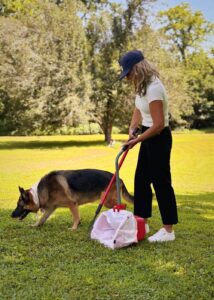
The cost of commercial pet waste removal pays for itself in ways most decision-makers don’t track.
1. Resident Retention
Pet owners make up a huge percentage of renters and homeowners in Middle Tennessee. When your property stays clean, they stay longer, which reduces turnover costs.
2. Curb Appeal = Lease Appeal
New prospects tour your grounds before they see your interiors. A single uncollected pile can plant the wrong impression. Clean spaces = higher conversion rates from tours.
3. Reduced Maintenance Hours
Your grounds crew can spend their time on landscaping, repairs, and beautification, not bending over with a scooper.
4. Lower Liability Risk
Dog waste isn’t just unpleasant. It can cause slip hazards, carry parasites, and trigger resident disputes. Proactive cleanup minimizes potential claims.
5. Positive Reputation
In HOA newsletters, apartment reviews, and community Facebook groups, “They keep the place so clean” is marketing gold. You can’t buy that kind of PR, but you can hire it.
Real-World Example:
One HOA in Williamson County cut resident complaints about pet waste by 90% within the first month of hiring a dedicated service. Complaints went down, satisfaction scores went up, and they renewed for a multi-year contract.
How to Choose the Right Commercial Pet Waste Removal Provider
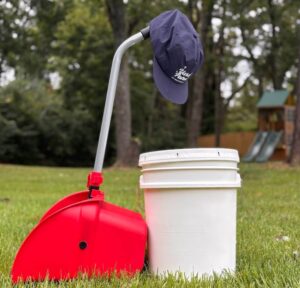
Hiring the wrong company for this job can be worse than doing nothing at all.
You’re trusting someone with your property’s appearance, resident satisfaction, and in some cases, public health compliance.
Here’s your non-negotiable checklist:
1. Commercial Experience
Residential-only services often don’t have the staff, scheduling systems, or insurance to handle large properties. Look for a provider who regularly works with:
- Apartment complexes
- HOAs
- Parks & recreation departments
- Office campuses
2. Proof of Insurance
General liability and workers’ comp should be a given. If a tech is injured on your property or causes damage, you don’t want that bill landing on your desk.
3. Transparent Pricing & Scope
Avoid vague “starting at” quotes. Your proposal should list:
- Exact service areas (maps help).
- Number of visits per week.
- Whether waste is hauled off-site.
- Response time for service issues.
4. Tracking & Accountability
Top-tier companies use route management systems, GPS check-ins, and time-stamped logs. This means you know exactly when they were there and what they did.
Key Service Agreement Terms to Lock In
Even with a great provider, the contract is where you protect yourself.
Here are the big ones:
- Frequency & Days of Service. Example: “3x weekly on Mon/Wed/Fri.”
- Weather Policy. Will they work in rain? What about snow/ice? How is service rescheduled?
- Waste Disposal Method. Confirm they haul it away, not dump it in your bins.
- Missed Service Guarantee. If they miss a day, do they make it up?
- Communication Protocol. Who gets notified if a gate is locked, a dog is loose, or a station is broken?
Add-Ons That Make Your Program Bulletproof
Commercial pet waste removal isn’t just about scooping. The best setups combine prevention, convenience, and visibility.
1. Pet Waste Stations
Install them in high-traffic areas with:
- Bag dispensers
- Clearly labeled waste bins
- Easy-to-read signage
This encourages residents to clean up after their own pets and reduces overall waste volume between service visits.
2. Custom Signage
Simple, direct, and placed where people make decisions:
“Please Clean Up After Your Pet. Your Neighbors Thank You.”
Bonus: Branded signage with your HOA or property logo adds professionalism and shows residents you’re serious.
3. Seasonal Deep Cleanups
Once or twice a year, especially after winter or high-growth spring, schedule a full sweep of every green space. Even areas not normally covered in routine service. This resets the baseline and makes maintenance easier.
4. Odor Control Treatments
For dog runs and small turf areas, enzymatic sprays can break down residual odors and bacteria, keeping areas fresh between visits.
5. Resident Education Materials
Include pet waste reminders in:
- HOA newsletters
- Resident welcome packets
- Community bulletin boards
This supports the program and shows residents where their fees are going.
Why This Matters in Middle Tennessee

In cities like Columbia, Spring Hill, and Franklin, the pet population is growing fast.
Properties that market themselves as “pet-friendly” but fail to back it up with a real cleanup plan are going to get left behind in reviews, in resident satisfaction, and in renewal rates.
A clean, well-managed outdoor environment tells your residents, employees, and guests:
We care about the details.
That’s not just good PR. It’s a competitive advantage.
Final Takeaway
Commercial pet waste removal isn’t a “nice to have.” It’s a service that:
- Protects health and safety.
- Maintains property value.
- Reduces complaints.
- Pays for itself in resident retention and curb appeal.
The right provider becomes an invisible but essential part of your property’s operations, quietly keeping everything clean, compliant, and welcoming.
If you’re ready to take this off your maintenance team’s plate and get guaranteed results, reach out to Yard Patrol for a custom quote today.